
The Product Testing Institute (PTI)
Wheel Impact Testing Lab for SAE J175 & SAE J1981 Standards
PTI is a SANAS accredited wheel impact testing laboratory supporting international standards including ISO 7141.
Trusted Wheel Impact Testing Laboratory
PTI is a SANAS accredited testing laboratory providing wheel impact testing for passenger, light truck, truck and bus applications. Our laboratory performs testing according to recognised international standards including SAE J175, SAE J1981 and ISO 7141.
Testing results are provided in structured reports indicating product performance and PASS or FAIL results based on required specifications.
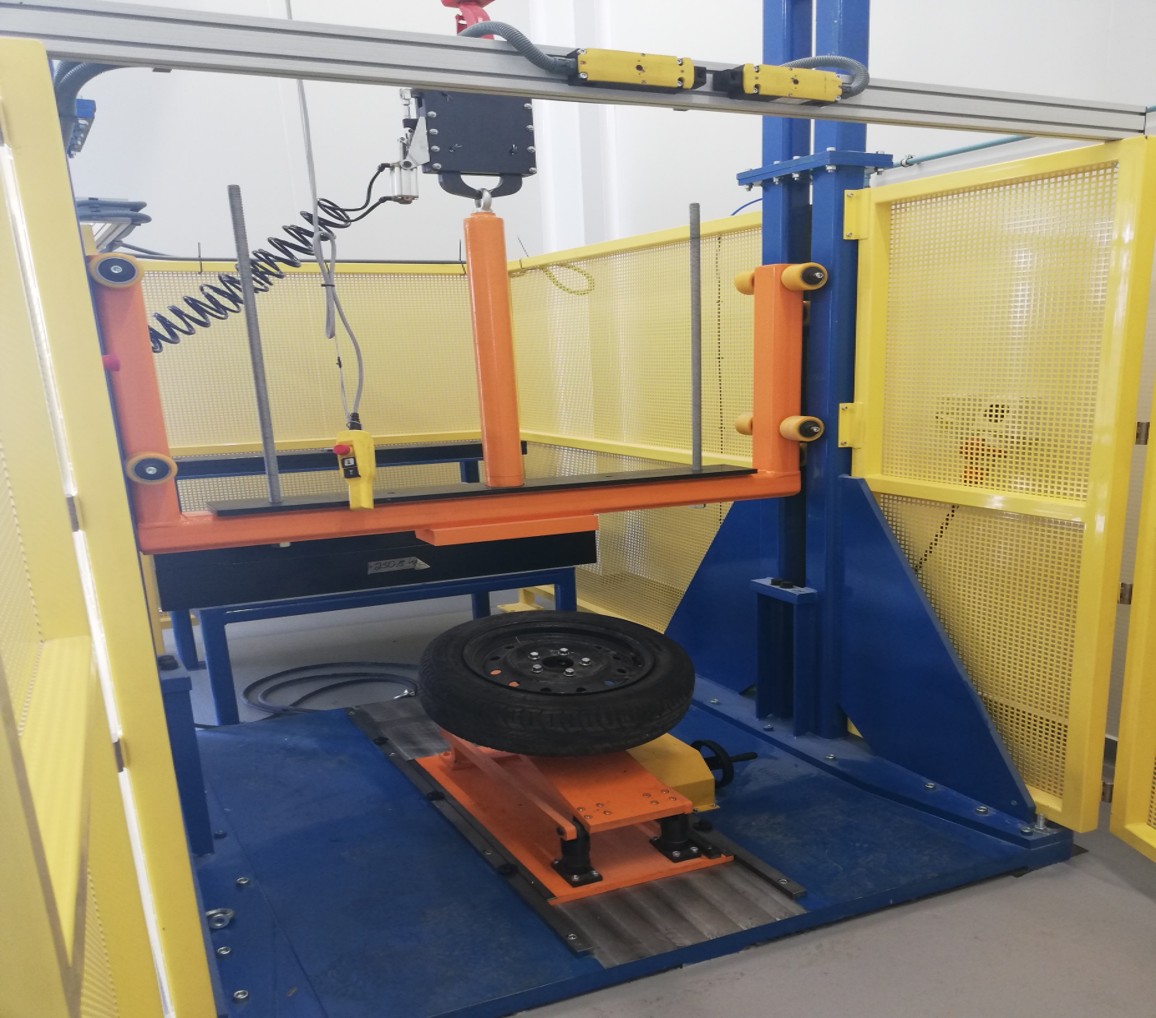
Our Wheel Impact Testing Services
PTI performs wheel impact testing according to internationally recognised automotive standards including SAE J175 and SAE J1981. These tests simulate real-world road conditions to evaluate the structural performance and durability of wheels.
SAE J175 – Lateral Curb Impact Test
This test evaluates a wheel's ability to withstand sudden lateral impacts such as striking a curb.
The objective of this test is to assess:
• Structural deformation of the wheel
• Crack formation or failure
• Retention of tyre pressure after impact
This test is commonly required for passenger vehicle wheels and light truck wheels during product development and regulatory validation.
SAE J1981 – Radial Impact Test (Pothole Simulation)
The SAE J1981 test simulates vertical impacts caused by potholes or road hazards.
This test evaluates:
• Wheel structural integrity under vertical impact
• Resistance to cracking or catastrophic failure
• Overall performance of the wheel under sudden load conditions
The radial impact test is essential for validating wheel durability in real-world driving environments.
ISO 7141 – International Equivalent Standard
ISO 7141 is an internationally recognised wheel impact testing standard used by manufacturers and testing laboratories worldwide.
PTI performs impact testing aligned with international standards, allowing manufacturers to validate wheel performance against globally accepted requirements.
Why Manufacturers Choose PTI
-
Regional Advantage:
Local testing allows manufacturers in Africa to avoid costly international shipping and long laboratory queues overseas. -
Fast Testing:
Rim impact testing typically takes 30–60 minutes, allowing rapid validation of wheel performance. -
Accredited Laboratory:
Testing is performed in a SANAS accredited facility, ensuring reliable and recognised results. -
Advanced Equipment:
PTI uses advanced wheel testing equipment designed to simulate real-world road impacts.
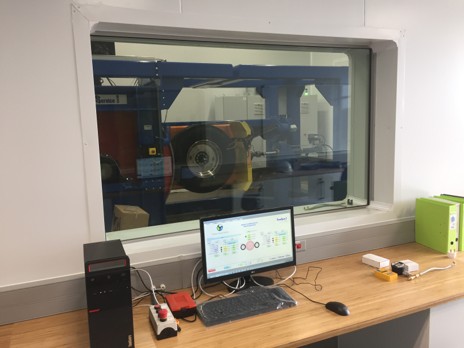
Accredited & Recognised Testing Facility
PTI operates as a SANAS-accredited ISO/IEC 17025 laboratory.
All testing is conducted under documented laboratory procedures with traceable reporting.
Our facility is:
ISO/IEC 17025 Certified
Testing performed under an internationally recognised quality system.
SANAS Accredited
Independent accreditation supporting reliable testing results.
SAE-Aligned Testing
Capability to perform wheel testing aligned with SAE standards.
FMVSS / International Standards
Testing aligned with global automotive regulatory frameworks.
Our Testing Process
We follow a clear, structured testing workflow to give manufacturers, importers, engineers, and regulators the confidence, accuracy, and traceability they need.
Submit Technical Specifications & Applicable Standards
Share tyre or component details and the relevant standards so we can align the test plan correctly.
Confirm Test Scope & Regulatory Requirements
We confirm exactly what will be tested, which requirements apply, and what the final report must include.
Conduct Controlled Laboratory Testing
Testing is conducted under controlled, documented conditions using accredited procedures and calibrated equipment.
Issue Structured Compliance Report
You receive a structured report suitable for compliance submissions, technical files, or internal approvals.
Clear, Structured Wheel Testing Reports
After testing is completed, PTI provides structured test reports generated directly from the testing equipment software. These reports document the testing conditions, measured performance, and evaluation results for the wheel under impact testing.
Each report is designed to clearly indicate whether the tested wheel meets the required performance criteria based on the selected test standard and product specifications.
- Test standard used (SAE J175, SAE J1981 or ISO 7141)
- Test setup and parameters
- Measured impact performance results
- Observed deformation or structural damage
- PASS or FAIL determination based on required specifications
Supporting Industry Professionals
We work with organisations requiring independent, accredited laboratory verification of compliance.
PTI supports:
Wheel Manufacturers
Independent wheel testing for validation, durability and compliance.
Automotive OEM Suppliers
Testing support for supplier qualification and engineering approvals.
Importers & Distributors
Independent test results to support documentation and market entry.
Export-Focused Manufacturers
Standards-aligned testing to support international compliance.
Frequently Asked Questions
What standards does PTI perform wheel impact testing to?
How long does wheel impact testing take?
What is SAE J175 wheel impact testing?
What is SAE J1981 wheel impact testing?
Is PTI accredited to perform wheel impact testing?
What rim sizes can PTI test?
Does PTI provide compliance reports?
Who typically requires wheel impact testing?
- Wheel manufacturers
- Automotive OEM suppliers
- Importers and distributors
- Export-focused manufacturers
- Engineering and product development teams
- Companies requiring regulatory or homologation support
Recognised by Industry Media
PTI’s testing capabilities and automotive support services have been featured in Engineering News, highlighting the role of independent testing in supporting manufacturers and suppliers across Southern Africa.
Request Wheel Impact Testing Quote
If you need wheel impact testing according to SAE J175, SAE J1981 or ISO 7141, our SANAS-accredited laboratory can assist with planning and scheduling your test.
Our engineers work with manufacturers, OEM suppliers and importers to ensure testing is completed accurately, efficiently and according to recognised standards.